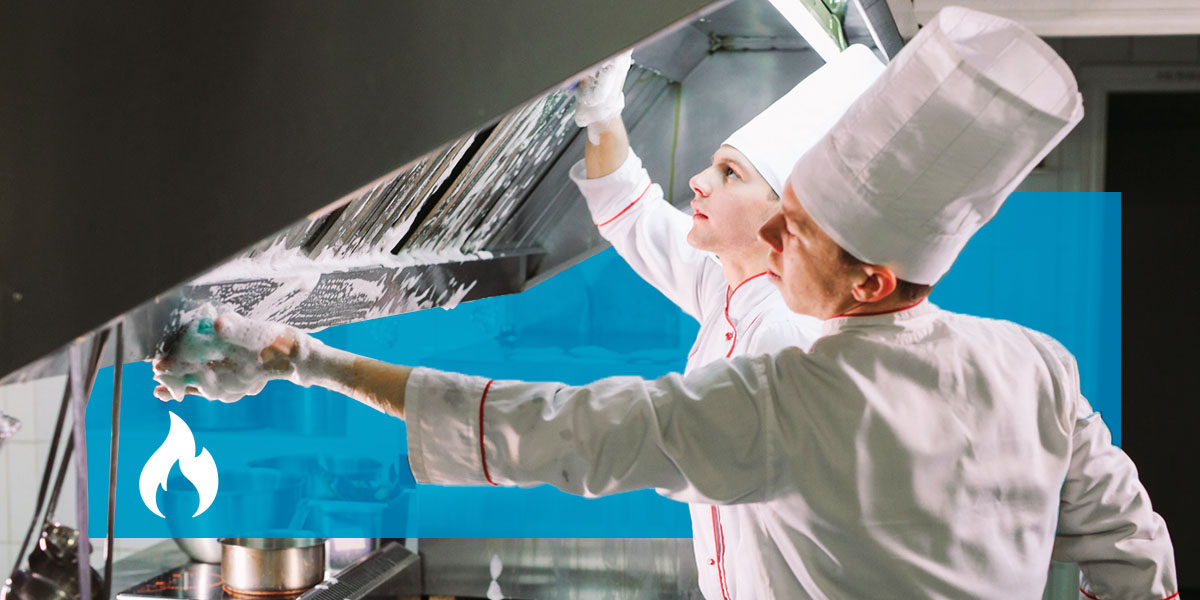
 Cleaning kitchen equipment might sound simple. However, standards apply for commercial kitchens, whether you use domestic or commercial equipment. Nonadherence to these standards can increase the risk of fire hazards and penalties.
Restaurant hood cleaning requirements differ depending on your kitchen setup and volume of cooking operations. In Greensboro, the most notable standards include the National Fire Protection Association (NFPA)’s standards and North Carolina’s State Building Code.
Commercial and restaurant hood cleaning requirements in Greensboro come from:
Standard requirements get updated regularly, and updates may expand or clarify responsibilities and procedures.
Cleaning is essential for maintaining kitchen exhaust systems and cooking equipment. Generally, NFPA 96 requires following the manufacturer’s instructions for inspection and maintenance. The entire exhaust system, including the hood, should be accessible for cleaning. Those inspecting these appliances must undergo training, qualification and certification from relevant authoritative bodies, such as IKECA.
Cleaning hoods involves removing grease, oil deposits, creosote and other residue that risk combustion. As an equipment and restaurant owner, you are responsible for the inspection, maintenance and cleaning of your cooking equipment. However, you can also delegate the responsibility to a commercial cooking operator or management firm.
Before cleaning any appliance, you must first lock out the electrical switches that you might accidentally activate. Remember not to use flammable solvents or cleaning aids. Trained and qualified persons cleaning the equipment can work with inoperable fire extinguishing systems. However, fire suppression systems must remain operable.
The qualified personnel should inspect the exhaust system for grease buildup at intervals depending on your cooking operations:
Inspection comes before cleaning. After each inspection, attach an adhesive label to the hood with the following information:
Keep the label on the hood until the next inspection or cleaning event. The personnel should also provide you with written reports after each operation — one for inspection and another for cleaning — within two weeks. The reports should include the same label information, plus the following:
Submit the reports as needed to the relevant authorities in your jurisdiction.

Solid fuel cooking and recirculating systems have specific requirements due to the type of buildup they create and a higher risk of combustion:
The commercial kitchen hood cleaning code requirements for Greensboro also include North Carolina’s Fire Prevention Code requirements. The code states that your hood must comply with IMC, indicating that manufacturers should design hoods to allow for thorough cleaning.
Hood inspection involves watching out for grease accumulation. The responsible personnel should include the following in their inspection records:
After inspection, they should provide a tag on a conspicuous location, which includes:
Cleaning records should also include the personnel and their company’s information, and the cleaning date. Similar to NFPA 96, North Carolina requires cleaning hoods, grease removal devices and other appliances at specific intervals:
You can also clean your equipment in intervals approved by a fire code official.
Developing a system that accommodates your setup requirements makes the cleaning process smoother. Here are the steps you can take:

Greensboro’s restaurant hood cleaning requirements reflect different standards, such as NFPA 96 and North Carolina’s Fire Prevention Code. They’re generally based on your specific operations and cooking volume. Setups with higher fire hazards come with more stringent requirements. You can easily navigate these cleaning standards with the help of ExhaustCLEAN.
We specialize in exhaust kitchen hood cleaning and can offer the comprehensive service you need. We perform our services at night to ensure your daytime operations remain uninterrupted. You’ll also work a dedicated account manager for effective communication throughout servicing.
If you’re searching for complete restaurant hood cleaning in Greensboro, schedule an appointment today.
